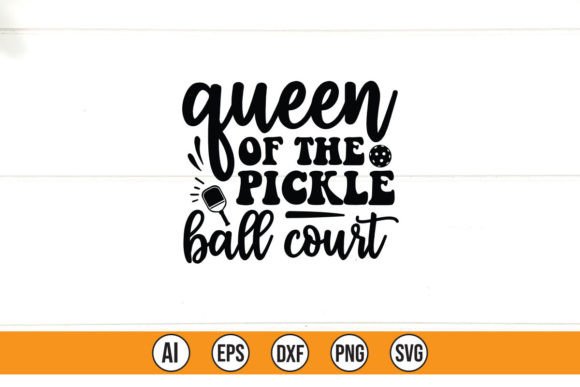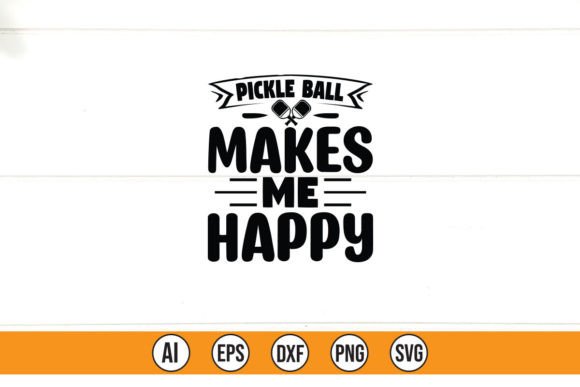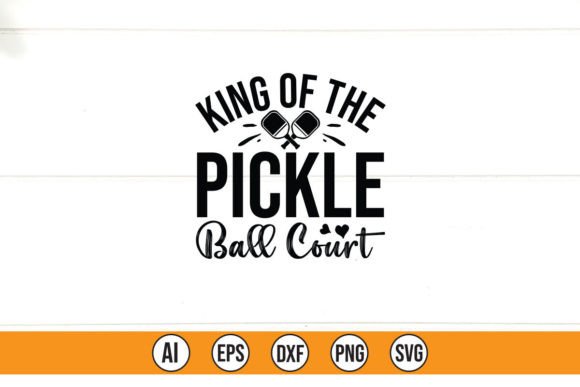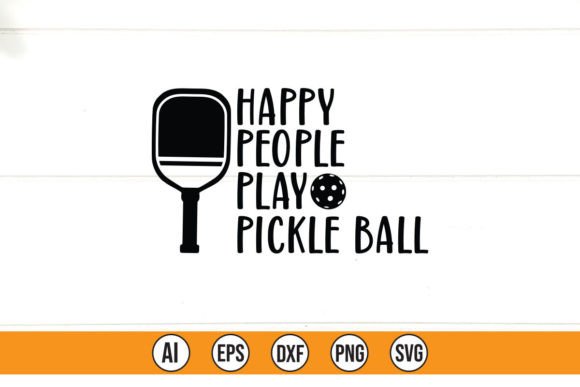
Pickle Ball and Chill
First Impressions: A Lighthearted, Stitch-Ready Vibe
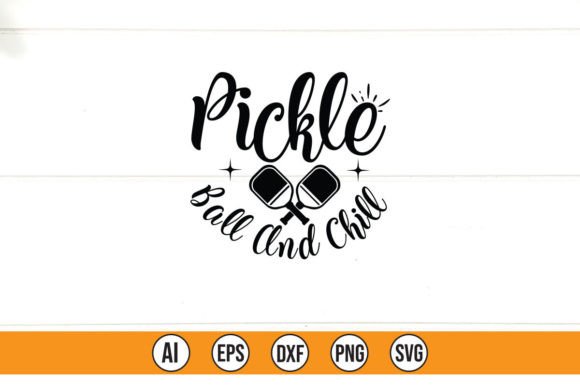
When I opened Pickle Ball and Chill for the first time, I didn’t just see a graphic—I saw a mood. It’s playful but not childish, sporty but relaxed, and unmistakably modern. The composition balances clean line work with subtle texture cues (especially in the pickle illustration), and the “Chill” typography has just enough personality to feel handmade without sacrificing legibility. As a designer who regularly translates digital files into machine embroidery designs, my first question is always: *Will this hold up under thread?* With Pickle Ball and Chill, the answer is yes—provided you treat it thoughtfully.
A Real Project Test: Embroidering a Linen Tote for a Local Pickleball League
Last week, I used Pickle Ball and Chill on a natural linen tote bag for a community league’s end-of-season giveaway. We chose 8-inch hoop size, medium-weight cutaway stabilizer, and matte poly thread in olive, mustard, and charcoal. The result? Crisp satin stitch on the pickle outline, even fill stitch in the ball, and surprisingly readable lettering—even at 3.5 inches wide. Customers loved the balance of humor and authenticity. One player told me, “It doesn’t scream ‘I’m trying too hard’—it just feels like us.” That’s the sweet spot: a design that supports your brand voice without overshadowing it.
Where It Shines—and Where to Pause
Pickle Ball and Chill works especially well for:
- Custom apparel: Sweatshirt embroidery and t-shirts benefit from its bold silhouette and mid-size scale (ideal for left-chest or back placement).
- Tote bag design: The balanced negative space keeps stitching from feeling crowded on wide, flat surfaces.
- Embroidered patch: Clean edges and defined shapes translate cleanly to heat-seal or sew-on patches.
- Holiday embroidery and personalized gifts: Its lighthearted tone fits perfectly on kitchen towels, baby onesies (for sporty parents!), or pillow covers—just scale down carefully.
- Craft business and Etsy listings: The included high-resolution PNG and JPG mockups let you show realistic context fast—no extra Photoshop work needed.
But here’s where attention matters:
- Small hoop sizes: Below 4 inches, the “Chill” lettering starts losing nuance—test before committing to caps or baby hats.
- Textured or stretchy fabric: On slubbed cotton or lightweight knits, use tear-away + topping to keep satin stitch smooth and prevent puckering.
- Dark fabric: The design includes transparent backgrounds, but verify contrast—some light gray tones in the pickle may fade on navy or black unless you adjust thread colors manually.
- Dense stitch areas: The pickle’s curved stem and ball details pack moderate stitch density. On thin fabric or layered garments (like quilted jackets), add lightweight fusible stabilizer underneath.
Design Assets That Support Real Workflow
What makes Pickle Ball and Chill more than just a graphic is how its file suite supports actual embroidery project flow. Having AI, EPS, SVG, and DXF means I can open it in Wilcom, Embrilliance, or even Illustrator to tweak spacing, adjust kerning, or isolate elements for applique design. The 300 dpi PNG gives me sharp previews for client emails or social posts; the JPG mockup saves hours when prepping Etsy listings or boutique pitch decks. And because it’s 100% editable and 100 color changeable, swapping out a single thread hue for seasonal palettes—or matching a shop’s brand colors—is seamless.
Professional Impact: Trust, Value, and Presentation
For small shop owners and Etsy sellers, first impressions are everything. A poorly stitched or pixelated design undermines handmade product credibility—even if the rest of the item is flawless. Pickle Ball and Chill avoids that trap. Its clean vector foundation ensures scalability without distortion, and the intentional simplicity means fewer dropped stitches or thread breaks during production. That reliability builds customer trust. When someone sees consistent, confident stitching on their custom apparel or embroidered patch, they’re more likely to return—and refer friends.
It also elevates giftability. Unlike overly complex graphics that feel generic, this one carries warmth and specificity. A new parent receiving a baby onesie with Pickle Ball and Chill embroidered on the chest won’t just think “cute”—they’ll think “this person *gets* us.” That emotional resonance is hard to replicate, and it’s why this design fits so naturally into nursery decor, wedding gifts for active couples, or craft fair merchandise.
Practical Designer Notes Before You Stitch
Before using Pickle Ball and Chill in any embroidery project—personal or commercial—here’s what I do every time:
- Run a test on scrap fabric that matches your final material (including stabilizer and thread).
- Check thread color contrast in both light and dark mockups—not just on screen, but printed.
- Review stitch density in the ball and pickle stem; dense areas may need slower machine speed or adjusted tension.
- Confirm hoop size compatibility—especially if scaling beyond original dimensions.
- Inspect small corners and interior curves for potential thread nesting; simplify if needed.
- Use the transparent-background files to preview over real product photos—not just stock mockups.
- Verify licensing terms (refer to the included instructions) before selling finished items or bundling the digital embroidery file.
This isn’t about overcomplicating things—it’s about honoring the craft. Pickle Ball and Chill is a strong, flexible, and genuinely usable design asset. It’s not flashy for flashiness’ sake. It’s designed to be stitched, worn, gifted, and remembered—with ease.